
Prop Trading vs Hedge Fund: What’s the Real Difference? (2026 Guide)
A prop trading firm uses its own capital to trade, while a hedge fund pools outside investor capital and manages it to seek returns. The...

The key to maximizing your trading performance and mastering personal finance. We deliver in-depth strategies to overcome prop firm challenges, along with breakthrough trading tools and intelligent money management systems.
Total posts: 9 / 214
A prop trading firm uses its own capital to trade, while a hedge fund pools outside investor capital and manages it to seek returns. The...
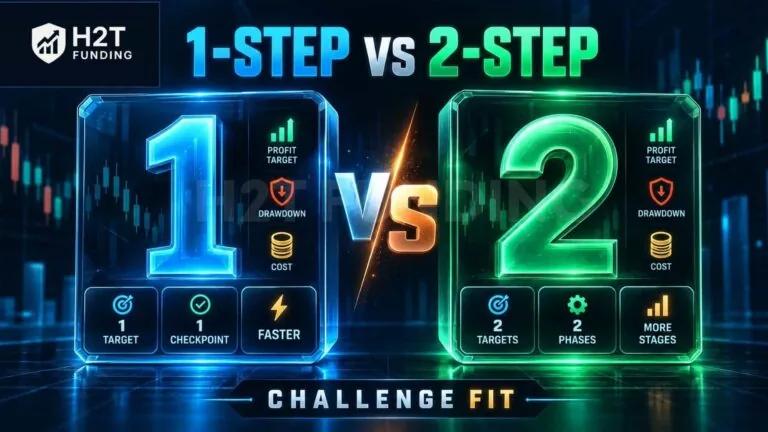
Neither is universally better. A 1-step program completes the evaluation in one phase, which may reduce the time needed to reach funded status, while a...

A prop firm fee structure is the complete set of costs you may face from buying an evaluation to receiving payouts. It can include the...
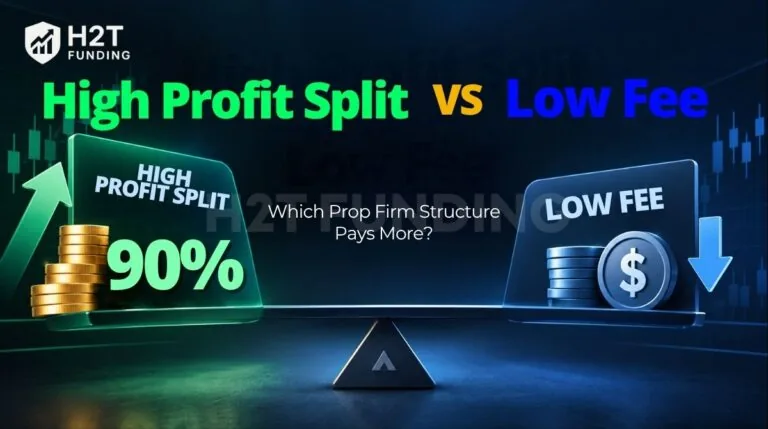
A higher split (the share of profit you keep) only pays off if the profit that counts toward your payout is large enough, and lasts...
Navigating modern financial markets often feels like a constant battle against noise, emotion, and excessive screen time. Day traders routinely spend six to eight hours...
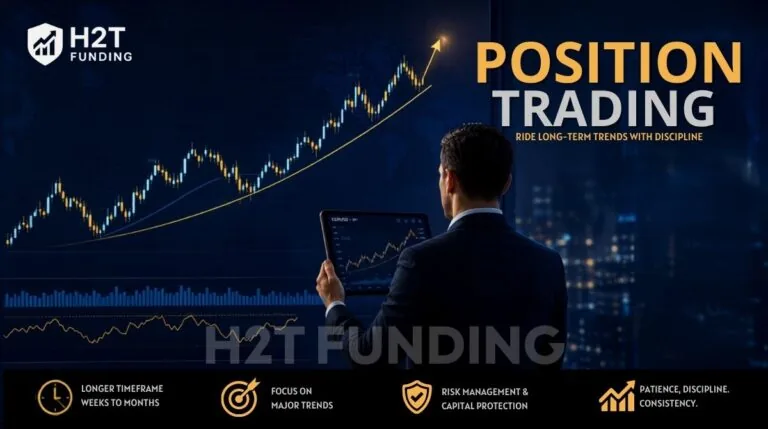
Position trading is a long-term strategy where traders hold positions for weeks to months to capture major trend moves driven by macroeconomic cycles, monetary policy...
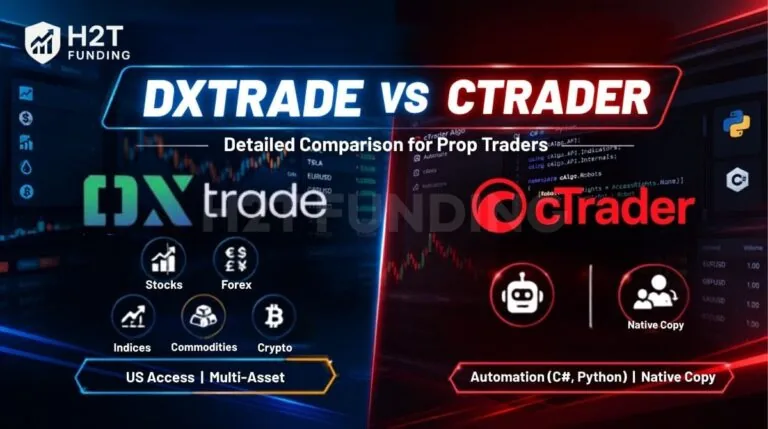
When comparing DXtrade vs cTrader, both platforms stand out as modern, high-performance terminals offering faster execution and responsive charting than legacy software. However, cTrader is...
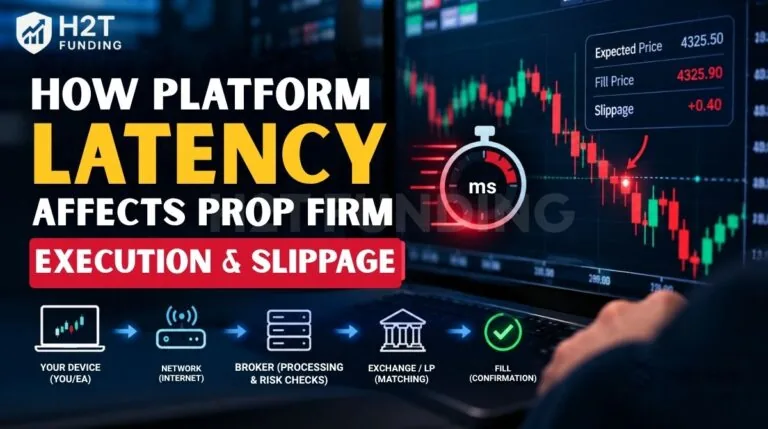
Platform latency affects prop firm execution by giving the market time to move between your click and your fill. That gap becomes slippage, and even...

Neither instant funding nor challenge-based funding is better for every trader. Instant funding gives you faster access but can come with higher upfront costs or...
Learn and develop your trading skills with 1999+ successful members in our community.
Free to join • More than 1999+ new members each week
